When Virality Becomes Dangerous: A Mental Health Wake-Up Call for Nigeria
Over the weekend, a disturbing trend swept across Nigerian social media.
A video began circulating of an influencer imitating a suicide act by drinking a popular substance in Nigeria. Within less than 24 hours, the video was everywhere, especially on X formerly known as Twitter. What made it more alarming was not just the original video, but the fact that other influencers with large followings began replicating it.
While some viewers treated it casually, even humorously, we must pause and ask a more serious question:
What is the psychological cost of viral content like this?
As a mental health advocate working through LEAD Community Foundation, I have seen firsthand how exposure to certain content can become a trigger for vulnerable individuals. When suicide methods or harmful behaviors are displayed repeatedly, especially by influencers with massive audiences, the risk multiplies.
Influencers are not just content creators. They are culture shapers. They hold digital authority. And with influence comes responsibility.
You never truly know who is watching.
You never know who is silently struggling.
You never know who might interpret content as permission.
This moment calls for deeper reflection and urgent action in four key areas:
Regulatory Accountability in Nigeria
Relevant authorities in Nigeria must begin to take digital mental health risks seriously. Clearer regulatory policies are needed to address the spread of harmful and potentially triggering suicide related content online. Virality should never override public safety.
Influencer Responsibility
Influencers must recognize that their platforms are not neutral spaces. They shape behavior, normalize trends, and influence decisions. Any content that poses a threat to mental health or life should never be created for engagement or relevance.
Clout should never cost a life.
Stronger Mental Health Education
We need more widespread education around mental health, substance use, and suicide prevention. Many people still do not understand how exposure to certain words, images, or methods can act as triggers. Social media should be used as an avenue for awareness, not harm.
Education must move from occasional conversation to structured advocacy.
Personal Responsibility Online
As individuals, we also play a role. Reposting, sharing, or amplifying harmful content contributes to its reach. Not every viral post deserves engagement. Sometimes, the most responsible action is restraint.
Mental health must take priority over virality.
This is not about censorship. It is about safety.
It is not about attacking influencers. It is about accountability.
It is not about silencing conversations. It is about protecting lives.
Nigeria is at a critical point in its digital culture. If we do not intentionally shape it with responsibility, compassion, and education, we risk normalizing what should never be normalized.
We can and must do better.
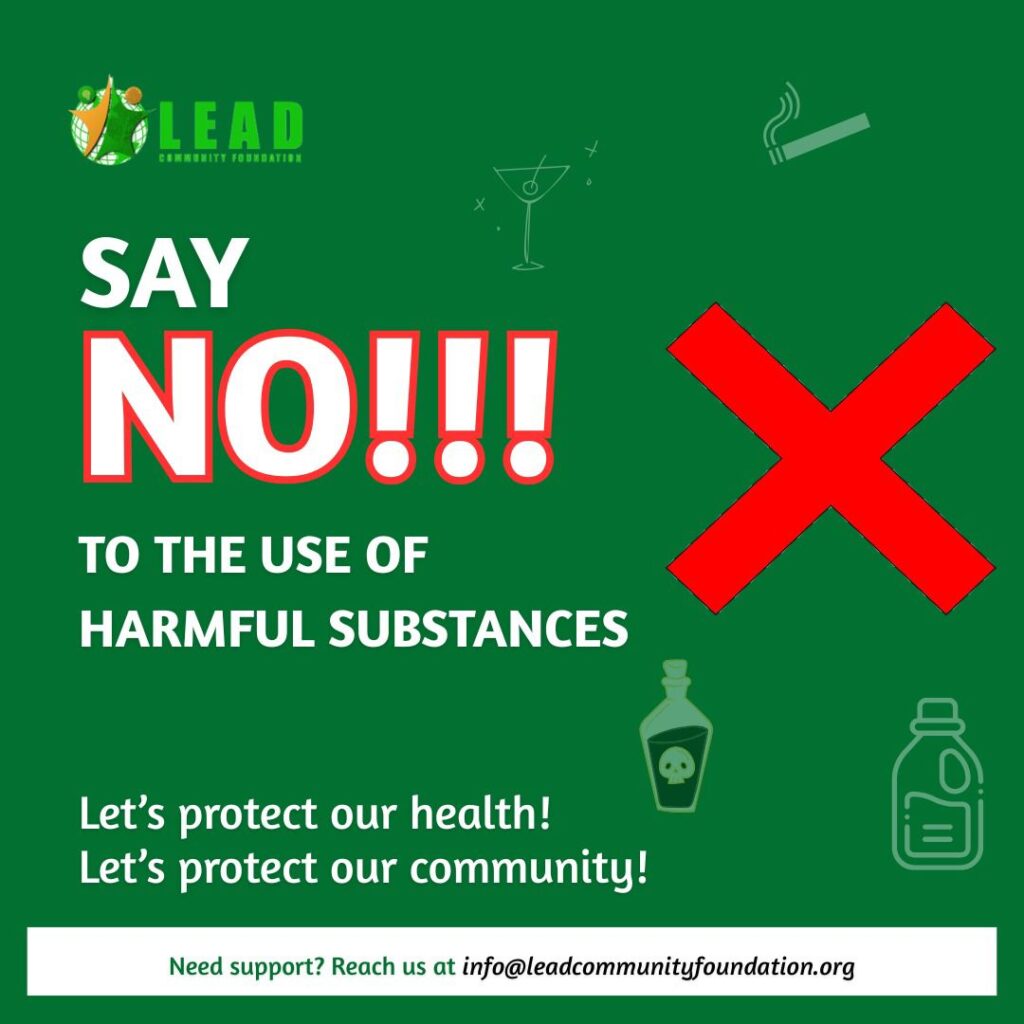
The Author

Kelvin Opiepie
Executive Director
Kelvin Opiepie is the Founder of LEAD Community Foundation and He serves as a Lived Experience Advisor to international research initiatives with MQ Mental Health Research, King’s College London, and the GALENOS Project (UK), and contributes to global journals and high-impact research, including work with The Lancet Psychiatry on post-COVID-19 mental health policy.