

The Brain’s Alarm System: Why Anxiety Feels So Real
Anxiety isn’t weakness. It’s the brain’s alarm system. Learn why anxiety feels so physical and how understanding the biology behind it can change how we respond.
A person holding their chest or sitting quietly while looking thoughtful, symbolizing anxiety or an internal alarm response. No text overlay recommended.
Have you ever had your heart start racing for no clear reason? Your thoughts speed up. Your breathing changes. Your body feels like something is wrong even if you can’t point to a specific danger.
For many people living with anxiety, this experience is deeply familiar. It can feel confusing and overwhelming, especially when the reaction seems out of proportion to the situation. But when we look at how the brain is built, anxiety starts to make much more sense.
Anxiety is not simply a character flaw or a sign of weakness. It is part of the brain’s alarm system, a biological mechanism designed to keep us alive.
The Brain’s Built-In Alarm
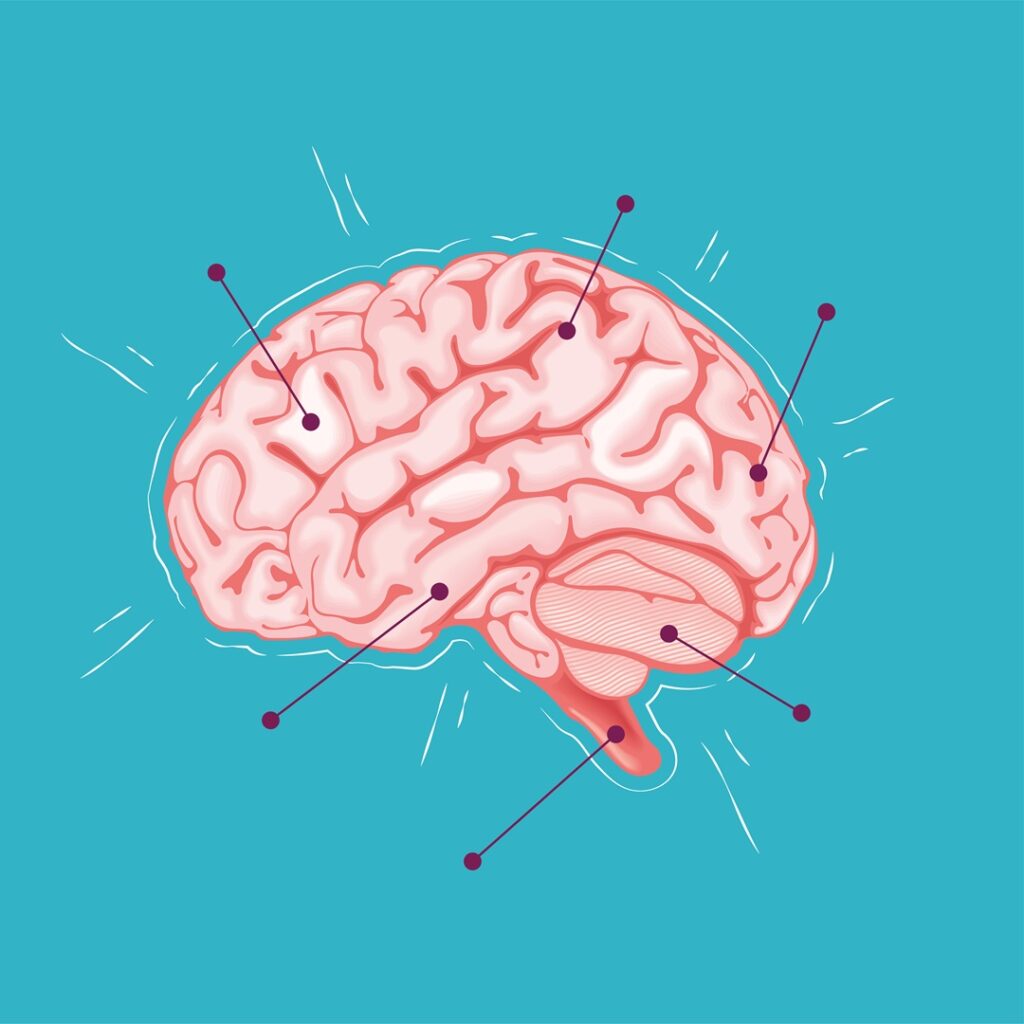
Deep inside the brain is a small structure called the amygdala. Its job is to constantly scan the environment for potential threats. This process happens extremely quickly, often before the conscious mind even has time to evaluate what is going on.
If the amygdala senses danger, it activates the body’s fight-or-flight response.
This response prepares the body to react to a threat by triggering several changes:
- Heart rate increases
- Breathing becomes faster and shallower
- Muscles tense
- Stress hormones like adrenaline and cortisol are released
- Attention narrows so the brain can focus on survival
From an evolutionary perspective, this system worked remarkably well. When humans lived in environments where predators, harsh conditions, and sudden threats were common, reacting quickly meant the difference between life and death.
The problem is that the alarm system does not always distinguish between physical danger and psychological stress.
When the Alarm Goes Off Too Often
In the modern world, most threats are not predators or immediate physical danger. Instead, they are things like:
- Financial stress
- Work pressures
- Relationship conflict
- Social expectations
- Constant exposure to news and digital information
These stressors may not threaten our survival in the same way a predator would, but the brain often reacts as if they do.
For someone living with anxiety, the brain’s alarm system can become overactive. The amygdala begins to trigger the fight-or-flight response more easily and more frequently.
This means the body reacts as though something dangerous is happening even when the conscious mind knows everything is technically fine.
The result can be a powerful and confusing experience where the body feels like it is in danger while the logical mind struggles to explain why.
Why Anxiety Feels So Physical
One of the reasons anxiety can be so distressing is that it is not just a thought. It is a full-body experience.
Because the alarm system activates the nervous system and releases stress hormones, anxiety often comes with very real physical sensations such as:
- Rapid heartbeat
- Tight chest
- Dizziness or lightheadedness
- Restlessness
- Muscle tension
- Trouble concentrating
These sensations can reinforce the sense that something is seriously wrong, which can make the cycle of anxiety even stronger.
Understanding the biological roots of anxiety can help people realize that what they are experiencing is not imagined. The body is reacting exactly the way it was designed to react to perceived danger.
Anxiety Is Not the Enemy
While anxiety can be extremely uncomfortable, it is important to remember that the system itself is not broken. The alarm system exists because it once played a crucial role in human survival.
The challenge today is that the modern environment often overloads that system.
When we begin to understand anxiety through the lens of biology rather than personal failure, it becomes easier to approach it with curiosity and compassion rather than shame.
Instead of asking, “What’s wrong with me?” a more helpful question becomes, “Why is my brain reacting this way?”
That shift in perspective can be a powerful step toward managing anxiety and reducing the fear that often accompanies it.

A New Way to Understand Anxiety
When people learn about the brain’s alarm system, something important often happens. The experience of anxiety starts to feel less mysterious.
The racing heart, the sense of urgency, the physical tension, these are not random or meaningless sensations. They are the body’s attempt to protect itself.
Of course, that protection can sometimes misfire. But recognizing the system for what it is can help us respond with patience instead of panic.
Anxiety may feel overwhelming at times, but it is not proof that you are broken. More often, it is a sign that your brain is doing exactly what it evolved to do, trying to keep you safe.
The Author

John Arenburg
Author • Speaker • Trained Counsellor
Jonathan Arenburg is a Canadian author, speaker, and trained counsellor whose work focuses on mental health through a biologically grounded, practical lens. Drawing on lived experience with PTSD and depression, as well as years of professional work in mental health support, he explores how everyday pillars—nutrition, movement, sleep, and social connection—play a critical role in emotional well-being. Jonathan is the author of The Road to Mental Wellness and Wired to Be Human, and speaks about building healthier lives in alignment with how humans are designed to function