
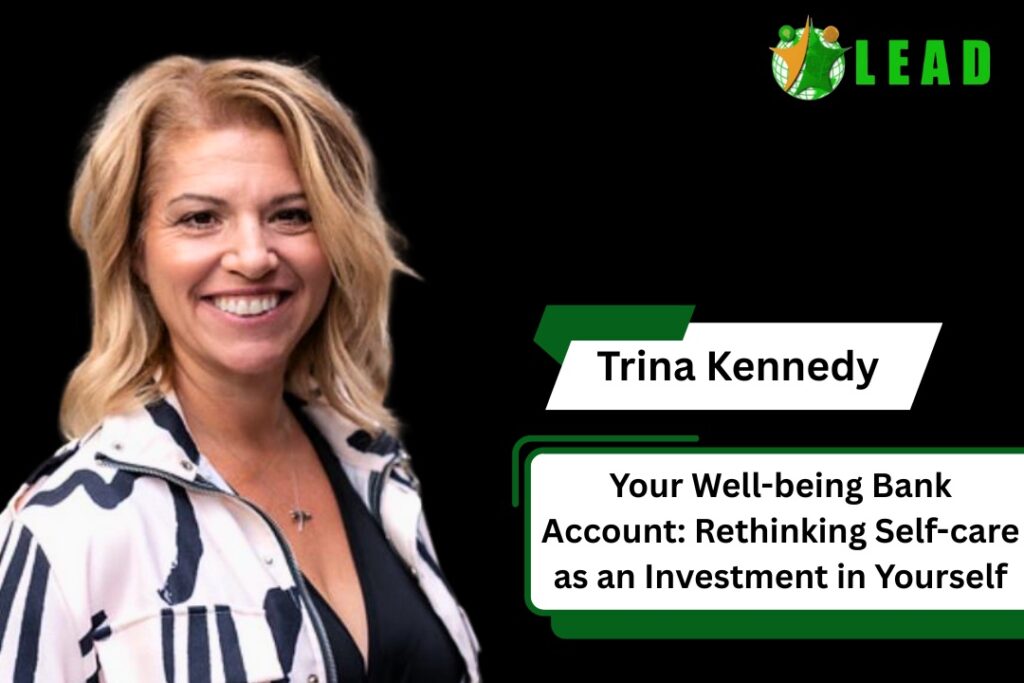
Your Well-being Bank Account: Rethinking Self-care as an Investment in Yourself
Imagine your well-being as a bank account. Each action you take is either a deposit or a withdrawal. Every time you rest, move your body joyfully, or connect with a loved one, you make a deposit into your well-being account. Conversely, when you neglect your needs, overextend yourself, or skip that much-needed break, you make a withdrawal. Like any financial account, maintaining a positive balance is essential to avoid burnout and build reserves for challenging times.
This analogy shifts the way we think about self-care. It’s not about indulgence or luxury it’s about sustainability and intentionality. Let’s dive into how you can build and protect your well-being bank account, ensuring your mental, emotional, and physical health remain in the black.
Understand Your Baseline
The first step in managing your well-being account is knowing your starting balance. Reflect on your current state: Are you feeling energized and motivated, or are you running on empty? Checking in with yourself regularly is like reviewing your account statements it reveals patterns and areas needing attention.
To get started, ask yourself:
- How do I feel when I wake up in the morning?
- Am I able to focus and engage with my tasks?
- Do I make time for things that bring me joy?
Recognizing where you are can help you determine what deposits are most needed to restore balance.
Make Regular Deposits
Think of deposits as actions that replenish your energy and nurture your well-being. These don’t have to be grand gestures; even small acts add up over time. Here are a few ideas to consider:
Physical Deposits
- Take a brisk walk outside to boost your mood and energy.
- Prioritize sleep by setting a consistent bedtime.
- Stay hydrated and nourish your body with balanced meals.
Emotional Deposits
- Call a friend or loved one for a meaningful conversation.
- Journal about your thoughts and feelings to process emotions.
- Engage in activities that spark joy, like hobbies or creative pursuits.
Mental Deposits
- Take breaks during work to avoid mental fatigue.
- Practice mindfulness or meditation to center yourself.
- Set boundaries to protect your time and energy.
Minimize Withdrawals
While some withdrawals are unavoidable, excessive or unnecessary ones can deplete your reserves. Identifying and reducing these is key to maintaining a positive balance.
Common Withdrawals
- Overcommitting to tasks and obligations.
- Neglecting rest in favor of constant productivity.
- Spending excessive time on social media or other distractions.
Strategies to Reduce Withdrawals
- Learn to say no to commitments that don’t align with your priorities.
- Limit screen time and create tech-free zones.
- Recognize when perfectionism is causing you to overwork unnecessarily.
Plan for the Unexpected
Life is unpredictable, and just like with finances, it’s wise to have a savings plan for your well-being. Building a reserve means consistently making deposits so you have extra resources when challenges arise.
Emergency Fund for Your Well-Being
- Develop a self-care routine that becomes second nature, even during busy times.
- Build a support network of people who uplift and encourage you.
- Identify go-to activities that quickly restore your energy in stressful moments.
Track Your Progress
Maintaining your well-being bank account is an ongoing process. Regularly check in to evaluate what’s working and what needs adjustment. Celebrate your successes, no matter how small, and use setbacks as learning opportunities.
Here are some questions to reflect on regularly:
- What deposits have made the biggest difference in my energy and mood?
- Are there withdrawals I can reduce or eliminate?
- How does my balance feel today compared to last week or month?
Invite Others to Invest
Your well-being doesn’t exist in a vacuum. Encourage the people in your life to prioritize their accounts too. This might mean sharing self-care practices, setting boundaries together, or simply offering a listening ear. When we care for ourselves, we’re better equipped to support others, creating a ripple effect of compassion and resilience.
Ask Yourself
How is your well-being account looking today? What’s one deposit you can make to nurture yourself? Remember, even the smallest actions can lead to a surplus of joy, energy, and fulfillment over time. The question isn’t whether you can afford to invest in yourself it’s whether you can afford not to.
The Author

Trina Kennedy
BAHSA, RSW
Trina Kennedy is an author, speaker, trainer, and coach with over 30 years of experience helping individuals and communities thrive. She is passionate about inspiring others to unlock their greatness by overcoming barriers and embracing their full potential.